
The Archlogix Blog
The Archlogix blog shares practical advice on field operations for teams managing routes, dispatch, time tracking, work orders, costs, and mobile field productivity.
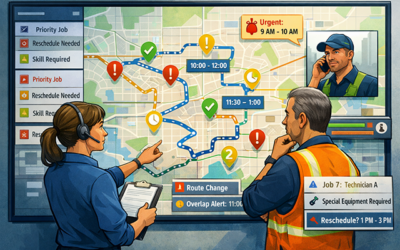
Thinking about building your own routing tool? Read this first.
A custom routing tool can sound appealing, but route optimization is harder to build, maintain, and trust than many teams expect.
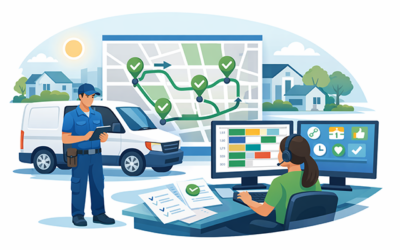
How to fit more jobs into the day without burning out your team
More jobs per day should come from better planning, cleaner inputs, and less wasted time, not more pressure on your technicians.

Windshield time is the hidden tax on field service
Windshield time cuts into technician capacity, drives up costs, and creates avoidable scheduling friction that many field service teams overlook.

How can field service teams improve first-time fix rate without burning out technicians?
Improving first-time fix rate should come from better preparation, clearer workflows, and smarter scheduling, not pushing technicians harder.
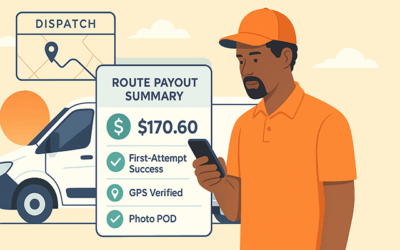
Paying independent drivers: Rate cards, incentives, and fairness
Fair driver pay starts with clear rate structures, practical incentives, and a system that makes weekly reconciliation easier for everyone.

Where to find reliable independent drivers: Proven channels and screening criteria
Reliable independent drivers come from the right sourcing channels, clear standards, and a screening process built for consistency.

From paper timesheets to automated accuracy: Why time tracking tech pays for itself
Automated time tracking reduces payroll errors, saves admin time, and gives field teams a more accurate record of hours worked.

Efficiency is the new growth strategy for small service businesses
For small service businesses, growth often comes from reducing waste, improving workflows, and getting more from the team you have.

How route optimization saves fuel and time for small service businesses
Route optimization helps small service businesses reduce drive time, lower fuel costs, and fit more work into each day.